There is a hard truth about running for office.
A lot of very smart, very passionate people who try that lose.
In fact, most who try it lose, including highly qualified, articulate, accomplished
candidates who could have won.
Was it because they didn't know what to do?
No.
Every intelligent candidate knows you have to have a message.
That you have to execute your message.
That you have to have a strategy to reach your target audience, and get your voters
to the polls.
But knowing what to do, and knowing how to do it are two very different
matters.
And usually that is what separates the winners from those who come up
short.
Who is this webinar for?
If you are running for office this year, it's for you.
If you'd like to run for office soon, it's for you.
If you think you'd like to run for office someday, it's for you.
And if you are curious about modern day campaigns and want to help good candidates win, this
webinar will help you do that.
If you are hoping to learn how to spew hate and sow division, you will need
to go elsewhere.
What you will learn in this webinar are the four pillars of a political campaign,
the elements of a campaign message and how to construct yours, the various
ways to execute your message, and how to pick the one just right for you, how to plan your
campaign strategy, so that voters have a clear picture of what you are going to do for them,
and how to outsmart your opponent through an exercise
I call war gaming.
Campaigns in competitive jurisdictions are complicated.
They are hard, tough, and sometimes they're mean.
Very few candidates win without the help of someone
adept at navigating the minefields of a political campaign.
All campaigns start with a few fundamental questions.
No one can design an intelligent campaign or campaign strategy without knowing the answers.
Nor can you.
Anybody who tries to tell you how to run your campaign without this
information is wasting your time.
What is the job you are running for?
All elected positions have a unique set of responsibilities that profoundly affect your
campaign strategy and the issues you talk about.
When is the election?
Turnout varies election by election, and that affects
the number of people you need to reach.
What are the rules for who gets to vote?
That profoundly affects the tools and strategy you will use to reach your target audience.
What are the demographics, partisan affiliation and voting history of your
jurisdiction, and how are they trending?
That affects who you target and how you reach them.
What is the current political environment?
The headwinds of political discourse are constantly shifting, and that affects your
message.
What are your resources?
Advertising costs money and you can buy only what you
can afford.
Who is or who are your opponents?
That affects almost everything you say and do.
No other campaign is quite like your race, for no two jurisdictions are the same.
No two election years are the same.
No other jurisdiction has the same demographic profile as yours.
Nobody has the same opponent that you do.
Nobody has our voice, your story, your biography.
The answers to those questions determine your message, how you will execute it,
your campaign strategy, and how you will outsmart your opponent.
One of the reasons good candidates lose is they launch their campaign without first
knowing this information.
We'll are now putting the finishing touches on the Webinar.
If you'd like to see it, send an email to Jay@JayTownsend.com.
Write Webinar in the Subject Line.
I'll make sure you get a link when it's finished.

 For more infomation >> Maple Leaf Natural Selections - Naturally Delicious - Duration: 0:31.


 For more infomation >> 6 Action Comedies That Will Make You Laugh - Movie Suggestions - Duration: 7:57.
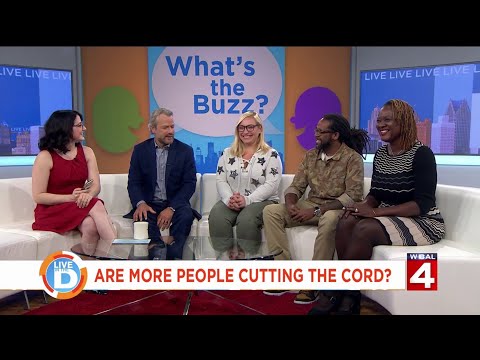 For more infomation >> Live in the D: What's the Buzz - SPOILER ALERT - Duration: 6:22.
 For more infomation >> RUSTㆍYou've NEVER Seen This Much Action... (VANILLA) - Duration: 18:34.

 For more infomation >> Live in the D: Talkin' with Tati - Favorite playground game - Duration: 1:04.
 For more infomation >> Rod Rosenstein's Talk Of Invoking 25th Amendment To Remove Trump Was A Joke, Officials Say | TODAY - Duration: 3:15.


Không có nhận xét nào:
Đăng nhận xét